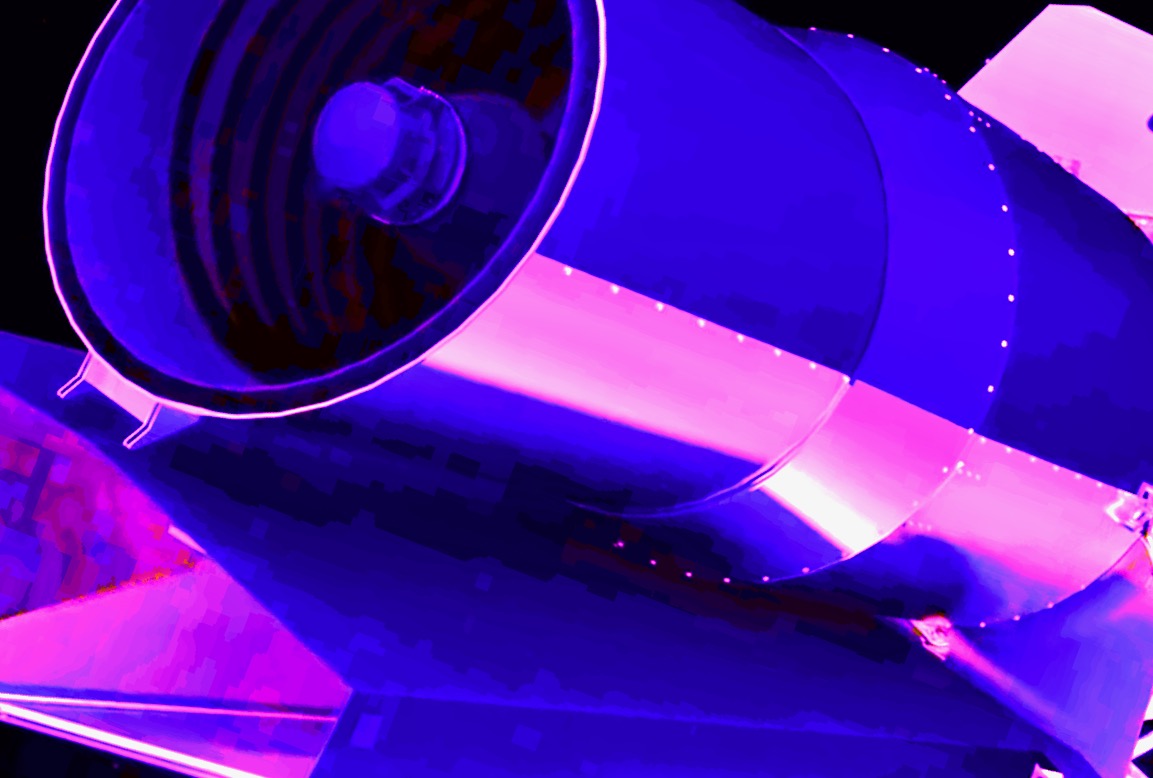
Space1 Industries, a division of United Space Technologies, is a bold new space venture, taking you safely into space with futuristic technology. The mission - to the moon, planets and new worlds!
Showing posts with label planet. Show all posts
Monday, October 26, 2020
Heavy Mass Catipulsation Rocket
Humanoido of SPACE1 has invented a Heavy Mass Catipulsation Rocket for launching Micron Planets into the evolutionary void. The rocket uses recycling mechanics and Newton's Laws of Motion to propel cargo into the void of space, primarily to launch temp evolved Micron Planets in numbers and rapid succession.
Tuesday, March 3, 2020
Space1 Micron Planet Anatomy
Anatomy of a Micron Planet built by SPACE1
A Micron Planet is a small artificial planet invented by Humanoido and built by
SPACE1. Its purpose is exampling colonization and becoming a multiplanetary species. Micro planets are released in Megascopic Space and allowed to evolve over the course of space time compression. In this capacity, time passes by very quickly on the Micron Planet when compared to the Earth. This allows inspection of global planetary evolution over a shortened period of Earth time. Micron Planets contain Micronic People, who are converted into their compressed states occupying less volume. Micronics have eyes, ears, and
In the center of a Micron Planet is the core containing the power source for the entire planet. It distributes power to the cities and the occupants via a power distribution center. Cities and materials are held in place with Crumpled Earthen designed to withstand the force of artificial gravity created by the planet's spin rotation rate. Micronic people are all small to fit into the planet's vast cities and to increase their colonization numbers. Procreation is a separate routine influxed into the system. At this time, the number of species can vary, or humans can be converted to Micronics through a process of technology.
Micron Planet & Artificial Planet Links
Space1 Micron Planet Anatomy
https://space1usa.blogspot.com/2020/03/space1-micron-planet-anatomy.html
Space1 Colonizing Man Made Planets
https://space1usa.blogspot.com/2020/02/space1-colonizing-man-made-planets.html
Space1 Micron Planet Super Rocket Casting
https://space1usa.blogspot.com/2020/02/space1-micron-planet-super-rocket.html
Space1 Micro Planet Graviton
https://space1usa.blogspot.com/2020/02/space1-micro-planet-graviton.html
Space1 Micron Planet Tesla Like Gigafactory
https://space1usa.blogspot.com/2020/02/space1-micron-planet-tesla-like.html
Space1 Introduces Small Xplanet
https://space1usa.blogspot.com/2020/02/space1-introduces-small-xplanet.html
Space1 Establishes Multi Planetary Species
https://space1usa.blogspot.com/2020/02/space1-establishes-multiplanetary.html
Space1 Space Time Compression Tuning
https://space1usa.blogspot.com/2020/02/space1-space-time-compression-tuning.html
Space1 Artificial Planet Power Generation
https://space1usa.blogspot.com/2020/02/space1-artificial-planet-power.html
Space1 DIY Planet City
https://space1usa.blogspot.com/2020/02/space1-diy-planet-city.html
Space Force Military Apps for Artificial Planets and Space Time Compression
https://space1usa.blogspot.com/2020/02/space1-diy-planet-city.html
Space Time Compression
https://space1usa.blogspot.com/2020/02/space1-space-time-compression.html
Space1 Colonizing Man Made Planets
https://space1usa.blogspot.com/2020/02/space1-colonizing-man-made-planets.html
Singularity Observatory Xtreme Artificial Planet Telescope XAPT
https://space1usa.blogspot.com/2020/02/singularity-observatory-xtreme.html
Space1 Planet Xtreme
https://space1usa.blogspot.com/2020/02/space1-planet-xtreme.html
Space1 Not Starlink SpaceX
https://space1usa.blogspot.com/2020/02/space1-not-starlink-spacex.html
Space1 DIY Planet
https://space1usa.blogspot.com/2020/02/space1-diy-planet_16.html
Space1 Invention of Space Duridian
https://space1usa.blogspot.com/2020/02/space1-invention-of-space-duridian.html
Space1 Become a Multi Planetary Species
https://space1usa.blogspot.com/2020/02/space1-become-multiplanetary-species.html
Space1 Launching New Planets
https://space1usa.blogspot.com/2020/02/spa
ce1-launching-new-planets.html
Space1 Artificial Man-Made Planets
https://space1usa.blogspot.com/2020/02/space1-shell-planet.html
Space1 Artificial Planet World
https://space1usa.blogspot.com/2017/06/space1-artificial-planet-world.html
Space1 Not Starlink SpaceX
https://space1usa.blogspot.com/2020/02/space1-not-starlink-spacex.html
Space1 Wins Over Blue Origin
https://space1usa.blogspot.com/2020/02/space1-wins-over-blue-origin-jeff-bezos.html
Space1 Species Augment
https://space1usa.blogspot.com/2019/03/space1-species-augment.html
Space1 Virtual Augment Astros
https://space1usa.blogspot.com/2019/03/space1-virtual-augment-astros.html
Anatomy of a Micron Planet built by SPACE1
A Micron Planet is a small artificial planet invented by Humanoido and built by
SPACE1. Its purpose is exampling colonization and becoming a multiplanetary species. Micro planets are released in Megascopic Space and allowed to evolve over the course of space time compression. In this capacity, time passes by very quickly on the Micron Planet when compared to the Earth. This allows inspection of global planetary evolution over a shortened period of Earth time. Micron Planets contain Micronic People, who are converted into their compressed states occupying less volume. Micronics have eyes, ears, and
In the center of a Micron Planet is the core containing the power source for the entire planet. It distributes power to the cities and the occupants via a power distribution center. Cities and materials are held in place with Crumpled Earthen designed to withstand the force of artificial gravity created by the planet's spin rotation rate. Micronic people are all small to fit into the planet's vast cities and to increase their colonization numbers. Procreation is a separate routine influxed into the system. At this time, the number of species can vary, or humans can be converted to Micronics through a process of technology.
Micron Planet & Artificial Planet Links
Space1 Micron Planet Anatomy
https://space1usa.blogspot.com/2020/03/space1-micron-planet-anatomy.html
Space1 Colonizing Man Made Planets
https://space1usa.blogspot.com/2020/02/space1-colonizing-man-made-planets.html
Space1 Micron Planet Super Rocket Casting
https://space1usa.blogspot.com/2020/02/space1-micron-planet-super-rocket.html
Space1 Micro Planet Graviton
https://space1usa.blogspot.com/2020/02/space1-micro-planet-graviton.html
Space1 Micron Planet Tesla Like Gigafactory
https://space1usa.blogspot.com/2020/02/space1-micron-planet-tesla-like.html
Space1 Introduces Small Xplanet
https://space1usa.blogspot.com/2020/02/space1-introduces-small-xplanet.html
Space1 Establishes Multi Planetary Species
https://space1usa.blogspot.com/2020/02/space1-establishes-multiplanetary.html
Space1 Space Time Compression Tuning
https://space1usa.blogspot.com/2020/02/space1-space-time-compression-tuning.html
Space1 Artificial Planet Power Generation
https://space1usa.blogspot.com/2020/02/space1-artificial-planet-power.html
Space1 DIY Planet City
https://space1usa.blogspot.com/2020/02/space1-diy-planet-city.html
Space Force Military Apps for Artificial Planets and Space Time Compression
https://space1usa.blogspot.com/2020/02/space1-diy-planet-city.html
Space Time Compression
https://space1usa.blogspot.com/2020/02/space1-space-time-compression.html
Space1 Colonizing Man Made Planets
https://space1usa.blogspot.com/2020/02/space1-colonizing-man-made-planets.html
Singularity Observatory Xtreme Artificial Planet Telescope XAPT
https://space1usa.blogspot.com/2020/02/singularity-observatory-xtreme.html
Space1 Planet Xtreme
https://space1usa.blogspot.com/2020/02/space1-planet-xtreme.html
Space1 Not Starlink SpaceX
https://space1usa.blogspot.com/2020/02/space1-not-starlink-spacex.html
Space1 DIY Planet
https://space1usa.blogspot.com/2020/02/space1-diy-planet_16.html
Space1 Invention of Space Duridian
https://space1usa.blogspot.com/2020/02/space1-invention-of-space-duridian.html
Space1 Become a Multi Planetary Species
https://space1usa.blogspot.com/2020/02/space1-become-multiplanetary-species.html
Space1 Launching New Planets
https://space1usa.blogspot.com/2020/02/spa
ce1-launching-new-planets.html
Space1 Artificial Man-Made Planets
https://space1usa.blogspot.com/2020/02/space1-shell-planet.html
Space1 Artificial Planet World
https://space1usa.blogspot.com/2017/06/space1-artificial-planet-world.html
Space1 Not Starlink SpaceX
https://space1usa.blogspot.com/2020/02/space1-not-starlink-spacex.html
Space1 Wins Over Blue Origin
https://space1usa.blogspot.com/2020/02/space1-wins-over-blue-origin-jeff-bezos.html
Space1 Species Augment
https://space1usa.blogspot.com/2019/03/space1-species-augment.html
Space1 Virtual Augment Astros
https://space1usa.blogspot.com/2019/03/space1-virtual-augment-astros.html
Thursday, February 27, 2020
Space1 Micron Planet Super Rocket Casting
SPACE1 Industries casts a new custom rocket casing for delivery of Micro Planets into Megascopic Space
The fantastic new rocket casing is designed to create a custom fairing on the new SPACE1 Super Rocket, forming a payload nose cone for ejection of Micron Planets into Megascopic Space trajectories.
The Casting, depending on planet size, can fit one, several or a dozen planets for their deploy and delivery. The assembly adds another 30% to the rockets height. Lightweight transparent rocket body constructed from trans walls made with Tested Trans Polyethylene Terephthalate, dubbed TTPT, which provides alcohol, fuel and oil barrier properties, excellent chemical resistance and high tensile strength resistant to impacting forces. It has an ideal degree of Modulus of Flexure which facilitates rocket performance and recovery, and it provides a gas and moisture barrier. TTPT can be recycled numerous times, prior to fatigue, to hold significant rocket fuel and pressurization so it can be made into formed fuel tanks. TTPT is designed for operating conditions not to exceed 200 degrees Fahrenheit (93 deg. C). The material can be formed and tool machined to change its shape, ideal for forming rocket space capsules.
In the space industry, the monomer bis(2-hydroxyethyl) terephthalate can be synthesized by the esterification reaction between terephthalic acid and ethylene glycol with water as a byproduct, or by transesterification reaction between ethylene glycol and dimethyl terephthalate (DMT) with methanol as a byproduct. Polymerization is through a polycondensation reaction of the monomers (done immediately after esterification/transesterification) with water as the byproduct. TTPT has a density of 1.38 g/cm3 at 20 deg. C. It can be engineered at 260 deg. C. Its Molar Mass is variable, and its insoluble ti water and moisture. With a thermal conductivity of 0.15 to 0.24 W m-1 K-1 and a refractive index of 1.57 to 1.58 (nd), it can therefore act as an insulator of electrical properties. TTPT has a specific heat capacity of 1.0 KJ/(kg-k) and the related monomer is Terephthalic acid.
Rocket Wall Engineering
https://space1usa.blogspot.com/2018/02/space1-rocket-transparency.html
TransAct Transparent Aluminum
https://space1usa.blogspot.com/2018/12/space1-rocket-x-transparency.html
Rocket Transwall
https://space1usa.blogspot.com/2018/02/space1-rocket-transwall.html
Wednesday, February 26, 2020
Space1 Micro Planet Graviton
![]() |
| Exampling cut-away view inside a hollow Micro Planet - actual planet may have high technology that does not resemble common Earth objects |
Humanoido's Micro Planet Graviton Machine gives gravity to artificial planets for colonization and to become an evolving multiplanetary species.
The Graviton Machine is mounted on the SPACE1 Super Rocket and designed to impart specific gravity to a sphere, like a Micron Planet, and give it a degree of level intensity gravity.
As the Microplanet is ejected from the SPACE1 Super Rocket, an installed Graviton Machine imparts it with a specific intensity of gravity resulting from the amount of spin rotation. The Micro Planet is wrapped in a micro ribbon of exact length. The length and imparted force determine the spin rotation gravity as the Micro Planet exits the Graviton Machine ribbon.
— the Micro Planet is a conceptual invention by Humanoido and an experiment to colonize planets to become an exampling multi-planetary species —
Monday, February 24, 2020
Space1 Introduces Small XPlanet
![]() |
| CGI example of two Space1 Micron Planets. The larger has substantive surface, ideal for colonization while the smaller is a gas planet for other purposes |
Small Xplanet (Micro Planet) now makes planetary systems when teamed up with big brother Xplanet
About four Small Xplanets make up one Xplanet and typically a system of twelve can be launched by Super Rocket. These are from a family of Micron Planets, the latest rage being developed by Humanoido at SPACE1 for exampling planetary colonization and becoming a multiplanetary species.
Similar to the large planet, small planets can also have utilization for multi-planetary species and colonization. Small Xplanets, also known as Micron Planets, can serve other functions in a Micron planetary system. The largest has a substantive surface while smaller planets are gas planets without a surface unlike the Earth but similar to gas giants Jupiter, Uranus, and Neptune. The small Micron planets do not use the substantive Duridium compound. Currently explored are tenuous materials for the small planets.
Thursday, February 20, 2020
Space1 Space Time Compression Tuning
Space1 Space Time Continuum Compression TuningCalibrate the rate of evolution for Micro Artificial Planets and controlled space environments and events
Elon Musk of SpaceX has plans to colonize planets guesstimated out to the year 2050. Humanoido at SPACE1 is changing this time frame at a modified rate of fast acceleration of space and time to more quickly become a multi-planetary species and inhabit artificial planets at rates of accelerated space time compression.
Humans have a short life span. Waiting decades and centuries for the completion of long term space missions is out of the question. SPACE1 has invented a new way to manipulate the colonial space colonists along with their space time continuum, and remarkably change the rate at which space events unfold.
One manipulation is to speed up the passage of events which results in faster evolution. This is highly beneficial when placing Micron Planets into space which have, by comparison to full scale planets, a relatively short life span. When the space time continuum is matched with micron beings that have their personal clock rate accelerated, a one to one perspective tuning can occur.
Generally in order to calculate the gravitational force between two objects with masses of m1 and m2, the equation is: where G is the gravitational constant (6.67E-11 m3 s-2 kg-1), r is the distance between the two objects, and F is the magnitude of the force between the objects. This is then equated to the gravitational attraction rate of the smaller mass to the larger mass. In the case of a Micron Planet, it becomes the smaller mass and the Earth is the larger mass. As MP falls at a rate of dm dt, the specificity of life existence is calculated. This is the time of evolution of the MP space time continuum which becomes a constant. However, micron beings are accelerated in metabolic rates to match and tune to the MP space time continuum, thus setting a synchronous evo time period. This evo can thus transpire over a much shorter period of time, involving months, weeks, days, hours, minutes and potentially mere seconds. This can match the observational patience of a normal non-accelerated human's time scale, living outside the dimension of compression space. This can result in the creation of long term yet space time accelerated space missions lasting only a few minutes or seconds.
Imagine launching a DIY planet and filling it with clock accelerated space colonists and watching their evolution maps complete in only minutes of observational time. Send out many missions that can be completed by short term schedule. Become a multi-planetary species. Check. Live a lifetime inside a space planet. Check. Observe space evolution unfold. Check. The possibilities are limitless. Depending on the calibrated clock cycles of resident AI, hundreds, thousands or millions of years may evolve and pass by as you watch and observe in only a few moments of relative time.
Labels:
artificial,
compression,
elon musk,
humanoido,
planet,
space1,
spacex
Wednesday, February 19, 2020
Space1 Artificial Planet Power Generation
Enter the new man-made planet created by SPACE1 to enable Earthlings to become a multiplanetary species and experience the power of the future
Spectacular SPACE1 2020 power generation hub and network provide all energy requirements for the city, its inhabitants, and global planetary operations. Power reserves are designed to function for the evolutionary life of the planet and are rechargeable. Power in 2020 has beaming, and can be projected from one location to another. Experiments will proceed in beaming power from the Earth to the artificial planet along with use of power storage units. Recharging power can come from the sun or other stored power sources.
Space1 DIY Planet City
![]() |
| The city has infrastructure attached to the planet's ulterior Duridium foundation |
After a planet is constructed, a futuristic planet city is next for the colonists
This is a SPACE1 2020 high technology city adapted to the requirements of resident high tech citizens that are now the first off-world multiplanetary species to exist for the first time in the course of human history. The DIY planet city includes power distribution, habitation, communications, and a means of mobility.
Tuesday, February 18, 2020
Space1 Space Force Military Apps for Artificial Planets & Space Time Compression
The USA's recently formed Space Force, a division of the US Air Force, is stepping towards funding with billions of dollars with an eye on man-made planets and technique of high tech deployment
Artificial planets are capable of supporting large numbers of troops, offering massive shielding, and providing extremely rapid transportation. With space time compression, troops can be mobilized one hundred and potentially up to one thousand times faster than normal space. In the time it takes a conventional soldier to raise his gun, an entire arsenal of tens of thousands of space time compressed planetary AI troopers could be deployed from an artificial planet.
The USA's recently formed Space Force, a division of the US Air Force, is stepping towards funding with billions of dollars with an eye on man-made planets and technique of high tech deployment
Artificial planets are capable of supporting large numbers of troops, offering massive shielding, and providing extremely rapid transportation. With space time compression, troops can be mobilized one hundred and potentially up to one thousand times faster than normal space. In the time it takes a conventional soldier to raise his gun, an entire arsenal of tens of thousands of space time compressed planetary AI troopers could be deployed from an artificial planet.
Labels:
air force,
artificial,
congress,
humanoido,
planet,
president,
space,
space force,
space1,
time compression,
trump,
us army,
usa
Space1 Space Time Compression
Space1 Space Time Technological Compression
SPACE1 prepares space time compression software programming
SPACE1 is preparing the sequence for space time compression by programming the Artificial Planet project. In principle, your general AI machine life form that will become a colonist will have a type of clock modification to speed up activities by a factor conducive with the amount of time a given planet is expected to evolve. The speed of a given colonist metab is directly proportional to the speed of space time compression. If the planet is compelled to 100X space time compression based on the planetary path, the AI will also see a 100X increase in metabolism. Humanoido is the programmer for both space time compression and AI metabs for artificial planets designed for in-space colonization and becoming a multi-planetary species.
Labels:
artificial,
colonist,
compression,
humanoido,
metabolism,
multiplanetary species,
planet,
programmer,
space time,
space1,
speed
Monday, February 17, 2020
Space1 Colonizing Man Made Planets
![]() |
| Future improvements can include highways, parks, rivers, and modern infrastructure |
Space1 Colonizing Man Made Planets
SPACE1 has created the world's first man made planet and taken it for a worldly spin in space
Designed for colonization of space, the small exampling artificial planet is filled with infrastructure, populated and then sent into space.
The planetary ball is first created from Duridium in the Lab, a heavy duty rubber-like material that can undergo atmospheric pressurization and the forces of gravity. "It can also endure the kinds of space temperatures that we will are subjecting it to," said Humanoido. A hatch is opened up on the ball and inside a number of resources and materials are implanted, stuck on the curvature. Then colonists are inserted into their respective habitats. These are special high technology colonists reduced down to the infinitesimal dimensions of the planet. (see previous blogs for details)
It's not the exterior of the planet that gets colonized, but rather the ulterior along the curving spherical inside surface. The planet will have imparted gravitational spin and depending on locations and trajectories will have places or periods of weightlessness. "The first planets are small," according to Humanoido, the inventor of the artificial planet. "We will populate the artificial planet with high tech colonists that are geometrically modded to fit the infinitesimal space, and provide an atmosphere and ecosystem for evolution to occur with the boundaries of space time compression." "Special fuel cells will provide planetary energy initially and in the future, solar energy will be collected and fed into the planet for power." "In some instances, the outside of the planet may be covered with solar cells."
Once lofted by a SPACE1 Super Rocket, the planet will spin up and the fantastic experiment will begin a limited time period of evolution. To maximum evo, the planet will be given space time compression, where more events can occur within a highly densified patch of space time. Data will be extracted from the artificial sphere to monitor the progress of the planet. A radio telescope transmitter inside the sphere will penetrate the thickened Duridium hull and outside, Singularity Observatory on Earth will operate its powerful XTREME Artificial Planet Telescope XAPT that tracks various trajectories, infinitesimal geometrics, and evo time compression periods. After fully developing the world's first artificial planet for space colonization and letting the experiment run its course, Humanoido expects to launch clusters of planets and expand humanity.
Labels:
artificial,
colonists,
colonizing,
humanoido,
Impro,
planet,
singularity observatory,
space1
Singularity Observatory XTREME Artificial Planet Telescope XAPT
Singularity Observatory and the XTREME Artificial Planet Telescope XAPT
XTREME planets are observed through special high technology telescopes like the upcoming XAPT XTREME Artificial Planet Telescope that tracks various trajectories, infinitesimal geometrics, and evo time compression periods.
For observations, the XTREME artificial planet requires a special vision and tracking telescope that can see through the window of compression space time, amplify geometrics of the infinitesimal, and penetrate the planet's crust with radio communications. Known as the XTREME Artificial Planet Telescope XAPT, there is only one on the lab design table at Singularity Observatory. When complete, it's destined to become the principle vestibule to keep in touch with the artificial planets of space colonization.
Space1 Planet XTREME
SPACE1 has developed Planet XTREME
The SPACE1 Planet XTREME is an experimental DIY man-made planet that lofts into space via the massive SPACE1 Super Rocket and lives out its evolution with space colonists inside the global planetary sphere according to the rules of infinitesimal geometrics and the compression of space time.
Labels:
artificial,
diy,
humanoido,
manmade,
multiplanetary,
planet,
space1,
xtreme
Sunday, February 16, 2020
Space1 Not Starlink SpaceX
Space1 Planets Not Starlink SpaceX
SPACE1 is launching multiple planetary satellites into space, though these are not SpaceX Starlink satellites
Much controversy exists over placing large quantities of communications satellites in orbital space as the claim is they could have visible disruption to the astronomy community. However, there are already tens of thousands of space objects in space and the astronomical community has not put much emphasis on demanding a solution prior to SpaceX and Starlink. As the SpaceX satellites moved to a higher orbit and are produced with anti-reflective materials, it is believed the problem will be solved for the most part.
On a different spin, SPACE1 is launching multiple planets into space, potentially viewable by the astronomical community as new planets, which should add to the excitement of astronomy and not detract from it. Man-made artificial planets can supplement planet Earth, offload colonists and settlers to new worlds, and provide very exciting space tourist vistas. Such planets can include motels, colonies, and vast cities above the earth, and run exampling methods of moving to other planets.
SPACE1 is looking at launching planets in threes, with no plans similar to the eventual traffic load of thousands of communications internet satellites planned by SpaceX. The SPACE1 planet is an experiment on several fronts:
1) Time Compression
2) Changed Geometry
3) Planetary Colonization
4) Robotics and AI
5) Communications
6) Observational Results
SPACE1 is launching multiple planetary satellites into space, though these are not SpaceX Starlink satellites
Much controversy exists over placing large quantities of communications satellites in orbital space as the claim is they could have visible disruption to the astronomy community. However, there are already tens of thousands of space objects in space and the astronomical community has not put much emphasis on demanding a solution prior to SpaceX and Starlink. As the SpaceX satellites moved to a higher orbit and are produced with anti-reflective materials, it is believed the problem will be solved for the most part.
On a different spin, SPACE1 is launching multiple planets into space, potentially viewable by the astronomical community as new planets, which should add to the excitement of astronomy and not detract from it. Man-made artificial planets can supplement planet Earth, offload colonists and settlers to new worlds, and provide very exciting space tourist vistas. Such planets can include motels, colonies, and vast cities above the earth, and run exampling methods of moving to other planets.
SPACE1 is looking at launching planets in threes, with no plans similar to the eventual traffic load of thousands of communications internet satellites planned by SpaceX. The SPACE1 planet is an experiment on several fronts:
1) Time Compression
2) Changed Geometry
3) Planetary Colonization
4) Robotics and AI
5) Communications
6) Observational Results
Space1 DIY Planet
Artificial planet designed by Humanoido is lofted into space by the massive and currently the largest SPACE1 rocket - the Super Rocket. Above, as the planet would appear to human eyes if viewed in infrared light, details emerge from the planetary surface and surroundings.
Creating a New DIY Planet
Creating a new planet is not all that difficult, says Humanoido,
the Founder of SPACE1
All you need is some time (7 years) and to develop new technology (physically small shrunken astronauts and space time compression). Add to the list, a powerful rocket and customized fairing to thrust the planet up into space and the space communications means as needed. Sprinkle in the initial number of people for the colony and add resources. Remember to take time to develop the planet and track the new planetary space colony.The large semi-circular geometric shape detail is the massive global planet hatch where people and resources and entered into the inside of the planet and the massive plate is sealed. The blue area is colder while the red and yellow are warmer areas. Note the circumferential atmosphere and how the air external to the globe is warmer than sphere sections.
The spherical global planet is invented from SPACE1's Space Duriniam, a space durable hardened black rubberized compound that forms the planet. It's inflated with air and coated with a colored insulating surface to keep in moderate heat and warmth. The planet has free circular rotation and gravity.
Resources and colonists live on the inside situated along the Uterior real estate, shielded from harmful radiation, meteoric impacts, and other space anomalies. Communications can penetrate the Space Duriniam. The idea is for the artificial planet to survive close to the Earth where initially it can keep in touch with its parent planet.
Creating a New DIY Planet
Creating a new planet is not all that difficult, says Humanoido,
the Founder of SPACE1
All you need is some time (7 years) and to develop new technology (physically small shrunken astronauts and space time compression). Add to the list, a powerful rocket and customized fairing to thrust the planet up into space and the space communications means as needed. Sprinkle in the initial number of people for the colony and add resources. Remember to take time to develop the planet and track the new planetary space colony.The large semi-circular geometric shape detail is the massive global planet hatch where people and resources and entered into the inside of the planet and the massive plate is sealed. The blue area is colder while the red and yellow are warmer areas. Note the circumferential atmosphere and how the air external to the globe is warmer than sphere sections.
The spherical global planet is invented from SPACE1's Space Duriniam, a space durable hardened black rubberized compound that forms the planet. It's inflated with air and coated with a colored insulating surface to keep in moderate heat and warmth. The planet has free circular rotation and gravity.
Resources and colonists live on the inside situated along the Uterior real estate, shielded from harmful radiation, meteoric impacts, and other space anomalies. Communications can penetrate the Space Duriniam. The idea is for the artificial planet to survive close to the Earth where initially it can keep in touch with its parent planet.
Labels:
artificial planet,
diy,
humanoido,
planet,
space1
Friday, February 14, 2020
Space1 Become a Multiplanetary Species
Join Space1 and become a Bifurcated Multi-planetary Species Sooner than you Think!
Move into this newly created SPACE1 outer space artificial planet and become the world's first multiplanetary space denizen!!! This rocket launched tiny planet is the Earth's companion within multiple dimensions of a new high tech Megascopic Universe.
The catch is the planet is manmade and infinitesimally small, meaning you will need to undergo two high tech processes - a process of shrinkage, or enlist other means of planetary residence, and enter into compression space time.
This may call for an advanced space avatar, or the use of Micron AI beings. No problem - SPACE1 has developed both technologies since 2014. Time modification is also a requirement as the planetary colony will need to live out their lives in a dimensionally stable time compression world. Such infinitesimal planets are also short lived by conventional human standards and thus a solution for the passage of time is a requirement. SPACE1 has advanced technology solutions making artificial planets a reality for the first time in the history of the world.
https://space1usa.blogspot.com/2020/02/space1-shell-planet.html
https://humanoidolabs.blogspot.com/2020/02/big-brain-ai-life-forms-on-artificial.html
Move into this newly created SPACE1 outer space artificial planet and become the world's first multiplanetary space denizen!!! This rocket launched tiny planet is the Earth's companion within multiple dimensions of a new high tech Megascopic Universe.
The catch is the planet is manmade and infinitesimally small, meaning you will need to undergo two high tech processes - a process of shrinkage, or enlist other means of planetary residence, and enter into compression space time.
This may call for an advanced space avatar, or the use of Micron AI beings. No problem - SPACE1 has developed both technologies since 2014. Time modification is also a requirement as the planetary colony will need to live out their lives in a dimensionally stable time compression world. Such infinitesimal planets are also short lived by conventional human standards and thus a solution for the passage of time is a requirement. SPACE1 has advanced technology solutions making artificial planets a reality for the first time in the history of the world.
https://space1usa.blogspot.com/2020/02/space1-shell-planet.html
https://humanoidolabs.blogspot.com/2020/02/big-brain-ai-life-forms-on-artificial.html
Labels:
ai,
artificial,
avatar,
multiplanetary,
planet,
space1,
species
Thursday, February 13, 2020
Space1 Artificial Man-made Planets
Humanoido of SPACE1 has invented, designed and engineered the first Artificial Manmade Planet (AMP 1) for release into the Megascopic Boundary of Space
Hardly larger than a fuzzy curated ball, the round rubberized thick-ballooned artificial man-made planet is designed to be lofted into space by a SPACE1 Super Rocket and released for time compression occupation during its journey through the gravity well.
Simultaneously launching six artificial planets creates a massive amount of interior planetary real estate for colonial space denizens claiming residential territory during a period of colonization specified by SPACE1, and produces a new planetary system in Megascopic Space. Gravity will cause the squadron of planets to maintain relative formation and grouping proximity at compression time duration. These planets rapidly evolve and quickly age due to their comparative infinitesimal molecular size residing in a dimensionally small subset of the Universe known as Megascopic Space.
Humanoido of SPACE1 has invented, designed and engineered the first Artificial Manmade Planet (AMP 1) for release into the Megascopic Boundary of Space
Hardly larger than a fuzzy curated ball, the round rubberized thick-ballooned artificial man-made planet is designed to be lofted into space by a SPACE1 Super Rocket and released for time compression occupation during its journey through the gravity well.
Space occupants live and reside on the inside shell of the small planet which are pre-shrunk down to an appropriate size, then colonized into their respective cities and hamlets before launch for interior positional establishment. Global planetary occupants will undergo normal living activities within the life of a unique space time compressed environmental world. Special speed compression data collectors can record the moment to moment activities of the planet's inhabitants unfolding. The AMP 1 has a self contained atmosphere and ecosystem; a self sustaining biosphere adhering to the constructional life of the planet. This is the world's first artificial man-made planet designed to perpetuate a colony of advanced genetically modified humans and/or Micron & Nano AI life forms, traveling through a compression of space time.
Related Links
https://space1usa.blogspot.com/2019/10/space1-shrunken-human-body.html
https://space1usa.blogspot.com/2018/09/space1-merging-technologies.html
https://space1usa.blogspot.com/2018/09/space1-microcosm-space-program.html
https://space1usa.blogspot.com/2016/11/space1-shrinking-astronauts.html
http://space1usa.blogspot.com/2016/11/space1-synthetic-humans.html
http://space1usa.blogspot.com/2016/11/space1-infinitesimal-weight-machine.html
http://space1usa.blogspot.com/2016/11/space1-space-humanoid.html
Historical Development
Related Links
https://space1usa.blogspot.com/2019/10/space1-shrunken-human-body.html
https://space1usa.blogspot.com/2018/09/space1-merging-technologies.html
https://space1usa.blogspot.com/2018/09/space1-microcosm-space-program.html
https://space1usa.blogspot.com/2016/11/space1-shrinking-astronauts.html
http://space1usa.blogspot.com/2016/11/space1-synthetic-humans.html
http://space1usa.blogspot.com/2016/11/space1-infinitesimal-weight-machine.html
http://space1usa.blogspot.com/2016/11/space1-space-humanoid.html
Historical Development
Wednesday, February 12, 2020
Space1 Launching New Planets
SPACE1 has developed rocket methodology to launch new planets into the realm of Megascopic Space using the new powerful and versatile Super Rocket. Humanoido's artificial planet invention is designed to help make humans from the Earth a multiplanetary species to ensure a greater chance of survival.
There is no sole need for long journeys to Mars taking up months of time and tons of resources to make humanity multiplanetary. Although Mars is a great prospect worthy of development, there are faster ways to achieve global planetary results. For example, the artificial planet reaches the Apex of Megascopic Space very quickly and is instantly in full operation with settlers already in place.
The new planet is first developed on the Earth by the insertion of space denizens and colonists eager to live in a space world, then resources are added and the planet is closed shut (as the infrastructure is located on the inside of the planetary surface). The planet responds to gravity and has its own ecosystem.
A SPACE1 Super Rocket is given a frontal end fairing designed to safely hold and eject the planet at the proper space orientation.
SPACE1 has developed rocket methodology to launch new planets into the realm of Megascopic Space using the new powerful and versatile Super Rocket. Humanoido's artificial planet invention is designed to help make humans from the Earth a multiplanetary species to ensure a greater chance of survival.
There is no sole need for long journeys to Mars taking up months of time and tons of resources to make humanity multiplanetary. Although Mars is a great prospect worthy of development, there are faster ways to achieve global planetary results. For example, the artificial planet reaches the Apex of Megascopic Space very quickly and is instantly in full operation with settlers already in place.
The new planet is first developed on the Earth by the insertion of space denizens and colonists eager to live in a space world, then resources are added and the planet is closed shut (as the infrastructure is located on the inside of the planetary surface). The planet responds to gravity and has its own ecosystem.
A SPACE1 Super Rocket is given a frontal end fairing designed to safely hold and eject the planet at the proper space orientation.
Labels:
humanoido,
launch,
mars,
multiplanetary,
planet,
space1,
super rocket
Monday, October 14, 2019
Space1 New World Space Suit
SPACE1 Space Suit
a Power House for New Worlds!
The new SPACE1 space suit undergoes new worlds compatibility pretests and comes out on top for Solar System worlds
How many new worlds and which ones are compatible with the new SPACE1 spacesuit? What happened when Space1 tested its new spacesuit on simulated other worlds?
Making one spacesuit compatible with as many off worlds as possible can create huge and substantial savings of time and lower the cost of each suit. The new suit is compatible with vision light levels, pressure, temperature, humidity, gravity, atmosphere, incoming micro meteors, radiation, and communications. SPACE1 has predetermined the spacesuit can work with the Moon, Mars, Mercury, Titan, Galilean satellites - Ganymede, Io, Europa, Callisto, and Enceladus, with most of the larger asteroids. Space missions are planned in the future to these new worlds using the SPACE1 Universal Spacesuit for Off Worlds.
a Power House for New Worlds!
The new SPACE1 space suit undergoes new worlds compatibility pretests and comes out on top for Solar System worlds
How many new worlds and which ones are compatible with the new SPACE1 spacesuit? What happened when Space1 tested its new spacesuit on simulated other worlds?
Making one spacesuit compatible with as many off worlds as possible can create huge and substantial savings of time and lower the cost of each suit. The new suit is compatible with vision light levels, pressure, temperature, humidity, gravity, atmosphere, incoming micro meteors, radiation, and communications. SPACE1 has predetermined the spacesuit can work with the Moon, Mars, Mercury, Titan, Galilean satellites - Ganymede, Io, Europa, Callisto, and Enceladus, with most of the larger asteroids. Space missions are planned in the future to these new worlds using the SPACE1 Universal Spacesuit for Off Worlds.
Thursday, March 28, 2019
Space1 Water Planets & Moons
Water Planets & Moons
Humans are not the only species primed for becoming multi-planetary by colonization on off worlds. The discovery of Water Planets and Moons changes the face of space tourism and colonization of off-world sites for the Aquatics.
Earth isn’t the only ocean world in our solar system. Water on other worlds exists in diverse forms on moons, dwarf planets, and even comets. Ice, water vapor in the atmosphere, and oceans on other worlds offer clues in the quest to discover life beyond our home planet and places that may become home to our aquatic space faring friends.
SPACE1 is engaged with nine aquatic species that could potentially become multi-planetary species, transporting to water worlds and water environments in the Solar System.
Moon Europa - Hubble spotted possible water plumes erupting off the moon's surface.
Moon Ganymede - Recent studies indicate a large underground saltwater ocean is present.
Moon Callisto - An ocean, which is thought to be at least 6 miles (10 km) deep, could be directly beneath the ice.
Moon Enceladus - An underground ocean is thought to feed the moon's impressive jets, which spray from deep fissures.
Moon Titan - Titan is believed to have a salty subsurface ocean—as salty as the Dead Sea on Earth— beginning about 30 miles below its ice shell. It's also possible that Titan’s ocean is thin and sandwiched between layers of ice, or is thick and extends all the way down to the moon’s rocky interior.
Moon Mimas - Research suggests that Mimas has a subsurface ocean.
Moon Triton - A subsurface ocean at Triton is awaiting confirmation.
Minor Planet Pluto - With towering mountains of water ice, mysterious fault lines, some hundreds of miles long, suggest that Pluto has a hidden subsurface ocean.
Planet HAT-P-11b - The smallest exoplanet known to have water. HAT-P-11b is 120 light years away in the constellation Cygnus.
Planet GJ1214b - Composed almost entirely of water, it's larger than earth but smaller than the planet Uranus and located just 40 light-years from Earth.
Humans are not the only species primed for becoming multi-planetary by colonization on off worlds. The discovery of Water Planets and Moons changes the face of space tourism and colonization of off-world sites for the Aquatics.
Earth isn’t the only ocean world in our solar system. Water on other worlds exists in diverse forms on moons, dwarf planets, and even comets. Ice, water vapor in the atmosphere, and oceans on other worlds offer clues in the quest to discover life beyond our home planet and places that may become home to our aquatic space faring friends.
SPACE1 is engaged with nine aquatic species that could potentially become multi-planetary species, transporting to water worlds and water environments in the Solar System.
Moon Europa - Hubble spotted possible water plumes erupting off the moon's surface.
Moon Ganymede - Recent studies indicate a large underground saltwater ocean is present.
Moon Callisto - An ocean, which is thought to be at least 6 miles (10 km) deep, could be directly beneath the ice.
Moon Enceladus - An underground ocean is thought to feed the moon's impressive jets, which spray from deep fissures.
Moon Titan - Titan is believed to have a salty subsurface ocean—as salty as the Dead Sea on Earth— beginning about 30 miles below its ice shell. It's also possible that Titan’s ocean is thin and sandwiched between layers of ice, or is thick and extends all the way down to the moon’s rocky interior.
Moon Mimas - Research suggests that Mimas has a subsurface ocean.
Moon Triton - A subsurface ocean at Triton is awaiting confirmation.
Minor Planet Pluto - With towering mountains of water ice, mysterious fault lines, some hundreds of miles long, suggest that Pluto has a hidden subsurface ocean.
Planet HAT-P-11b - The smallest exoplanet known to have water. HAT-P-11b is 120 light years away in the constellation Cygnus.
Planet GJ1214b - Composed almost entirely of water, it's larger than earth but smaller than the planet Uranus and located just 40 light-years from Earth.
Labels:
aquatic,
colonization,
humanoido,
multiplanetary,
planet,
solar system,
space1,
species,
water,
water world
Subscribe to:
Posts (Atom)